Desert Safari Dubai Photography Guide: Best Spots & Camera Tips
Key Takeaways
- Golden hour, just before sunset, gives the best light for desert photography.
- Keep phones and cameras sealed away during dune bashing itself, not out shooting.
- Red dunes generally offer more dramatic, less crowded photo opportunities.
- Slight underexposure preserves warm tones better than auto-exposed shots.
The Best Time of Day for Desert Photos
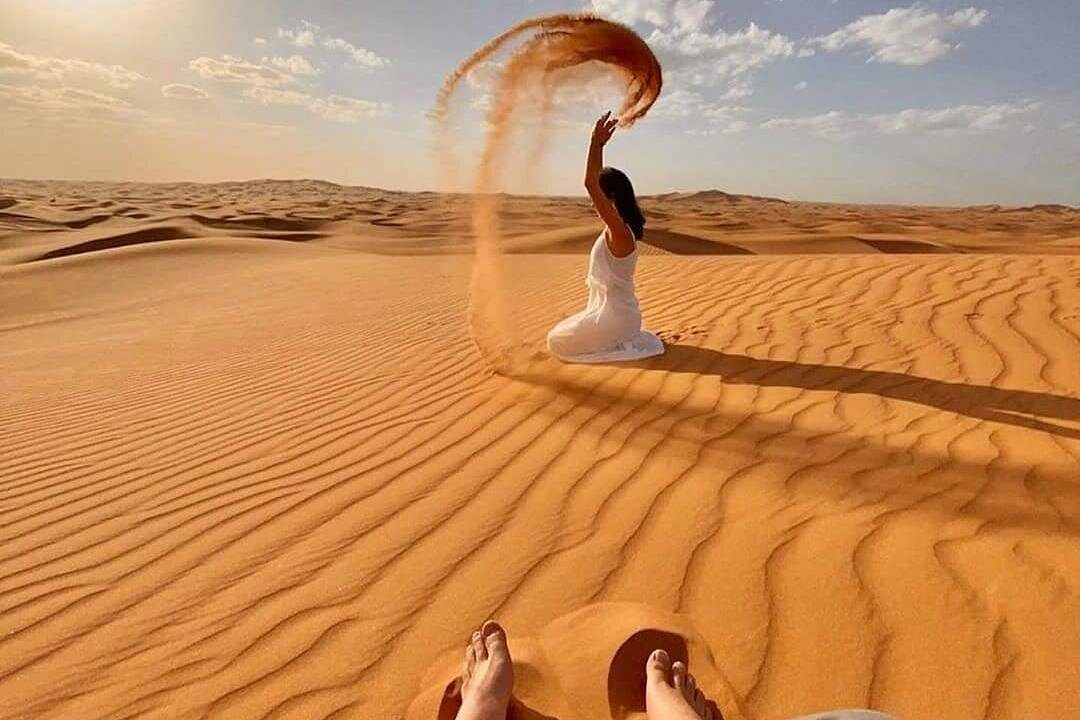
Short answer: golden hour, roughly 30-45 minutes before sunset, gives the softest light and richest dune colour — this is exactly when evening safaris schedule their dedicated photo stop.
Our Evening Desert Safari times its photo stop specifically for this window. If photography is your priority, an evening tour will consistently outperform a midday booking for lighting quality.
Protecting Your Gear from Sand
Short answer: keep phones and cameras in a sealed pocket or small dry bag during dune bashing itself, and only bring them out at designated stops — fine desert sand damages ports, buttons and lenses quickly.
This is one of the most common mistakes we see — see our common mistakes guide for more first-timer pitfalls to avoid.
Phone vs Dedicated Camera
Short answer: modern phone cameras handle golden-hour desert light very well; a dedicated camera adds control but also more gear to protect and carry through sand and activities.
Most guests get excellent results on a phone alone. If you do bring a dedicated camera, a simple weatherproof pouch is worth packing specifically for this trip.
Best Photo Spots on the Route
Short answer: the designated dune-crest photo stop before the main dune-bashing run, the camel-ride path at camp, and the camp's lantern-lit dining area after dark are the three strongest spots on a standard evening safari.
Our drivers know these stops well and time them intentionally — ask your guide which spot they'd recommend for the specific light conditions that day.
Red Dunes vs Standard Terrain for Photography
Short answer: the red dunes generally photograph better thanks to greater height, richer colour and fewer other vehicles in frame, though the standard evening safari still delivers strong sunset shots.
See our full red dunes vs Al Awir comparison if photography is your main reason for choosing between tours.
Camera Settings That Work Well
Short answer: slightly underexposing a shot preserves the warm tones of sand and sky better than an auto-exposed shot, which tends to wash out colour; shooting toward the sun works well for silhouettes.
If your phone or camera has an exposure-compensation slider, dialling it down slightly during golden hour consistently produces richer, more film-like results.
What Not to Attempt
Short answer: don't try to photograph during active dune bashing (the ride is too bumpy for a sharp shot), and don't fly a drone without prior UAE permits — casual drone use isn't permitted on standard tours.
Save your shots for the designated stops, and check drone regulations with our team well ahead of your trip if aerial photography specifically matters to you.
Local Guide's Take
"I always tell guests to put the camera away during the actual bashing and trust me on when to bring it back out — I know exactly where the light lines up with the dune crest, usually a couple of minutes before most people would think to start shooting." — Qamar, Desert Safari Guide, 10+ years
Frequently Asked Questions
What's the best time of day for desert safari photos?
How do I protect my phone or camera from sand?
Should I bring a DSLR or just use my phone?
Are drones allowed on desert safaris?
Is the red dunes safari better for photography than the standard tour?
Can I get good photos during dune bashing itself?
What settings work best for golden-hour desert photos?
Capture Your Golden Hour
Instant confirmation, free hotel pickup and free cancellation up to 24 hours before.